

Dubai expands China partnerships to advance AI, smart transport and future infrastructure projects
RTA delegation explores Chinese expertise during a visit
DUBAI – The Roads and Transport Authority (RTA) has expanded its strategic partnerships with leading Chinese companies to accelerate the adoption of artificial intelligence, digital transformation, advanced transport technologies and innovative infrastructure solutions across the emirate.
The move aims to strengthen Dubai’s future mobility ecosystem by leveraging global expertise in smart transport systems, rail networks, infrastructure development and emerging technologies.
The expansion follows an official RTA delegation visit to the People’s Republic of China, headed by Mattar Al Tayer, Director General, Chairman of the Board of Executive Directors of RTA. Organised with the support of the Dubai International Chamber representative office in Shanghai, the visit brought together RTA CEOs, directors and young engineers to explore new opportunities for collaboration with Chinese entities.
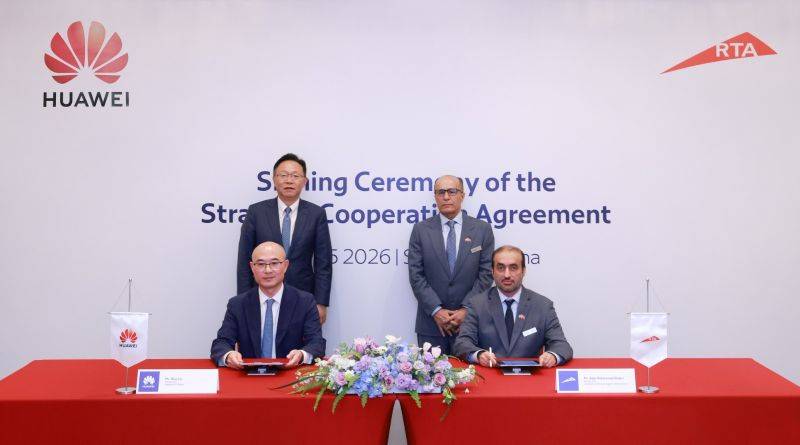
During the visit, RTA signed two Memoranda of Understanding (MoUs) with CASCO SIGNAL LTD. and Huawei Technologies, focusing on artificial intelligence, smart mobility, rail technologies, digital infrastructure and future transport solutions. The agreements are expected to enhance cooperation with major Chinese companies and support the delivery of RTA’s current and upcoming projects.
Rail innovation
The MoU signed with CASCO SIGNAL LTD., a company specialising in signalling, communications and control systems for metro and rail networks, will support the establishment of an advanced research and development centre and innovation laboratory in Dubai linked to the Dubai Metro Blue Line project and future metro developments.
The centre will create an integrated environment for system testing, functional verification and professional training while supporting the integration of signalling, communications, control and operational systems. It will allow technical teams to conduct testing under simulated operating conditions, helping improve project preparedness before services begin.
The innovation laboratory will also provide a platform for local acceptance testing and technical verification, supporting the development and enhancement of existing and future metro lines. It will focus on specialised research in smart operations, maintenance practices and artificial intelligence-driven operational scheduling to improve asset management and enhance the efficiency of Dubai’s metro network.
The facility is expected to contribute to strengthening Dubai’s role as a regional centre for rail innovation by supporting technology testing, knowledge exchange and the development of specialised expertise in the public transport sector.
Smart technology
The MoU with Huawei Technologies, a global information and communications technology company, will expand cooperation in emerging technologies, artificial intelligence, cybersecurity, networking systems, mobility solutions and traffic flow management.
The partnership includes the exchange of technical knowledge, joint workshops, proof-of-concept projects, and testing and validation of advanced technology solutions. It will also explore the development of smart city applications supporting Dubai’s 20-Minute City vision and the creation of unified data platforms connecting different transport systems.
Other areas covered under the agreement include the use of AI technologies for real-time incident detection and response, the development of smart operations and control centres, and strengthening digital infrastructure through advanced and reliable data systems to support business continuity.
The collaboration will also examine Chinese expertise in managing smart metro systems, AI-enabled monitoring solutions, station management technologies and public transport operations. These efforts aim to enhance service quality, improve operational performance and support sustainable mobility solutions.
Dubai-China cooperation
Mattar Al Tayer said the visit reflects RTA’s commitment to strengthening international partnerships with leading global institutions and companies while benefiting from advanced experiences in public transport, rail systems, digital transformation and artificial intelligence.
He said China represents a leading global example in developing transport infrastructure, digital technologies and AI solutions, with integrated systems that combine innovation, technology and operational efficiency.
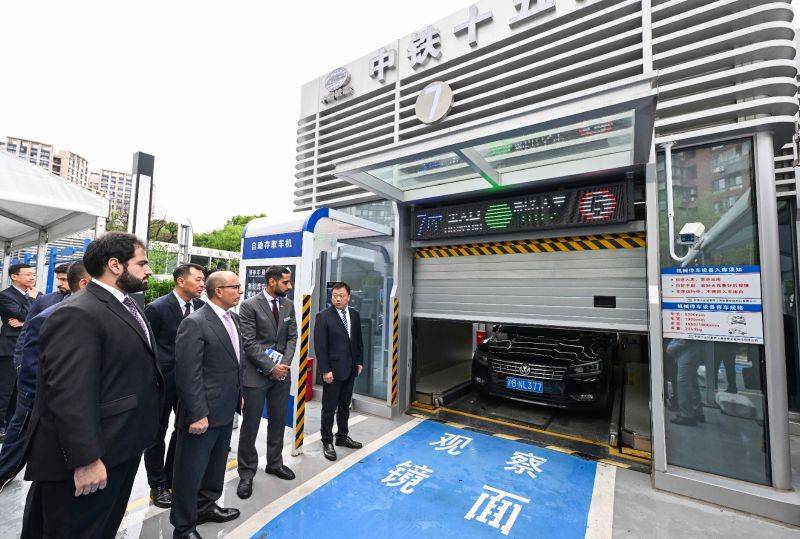
“Through this visit, RTA seeks to gain first-hand insight into these leading experiences, explore new opportunities for cooperation and the exchange of knowledge and expertise, and adopt global best practices that support the development of Dubai’s transport system and keep pace with the emirate’s rapid urban and economic growth,” Al Tayer said.
He added that RTA is working to build long-term strategic partnerships with major Chinese companies and benefit from their expertise in delivering infrastructure and transport projects while deploying advanced technologies and innovative solutions.
“The two MoUs signed during the visit underline RTA’s direction towards expanding the use of emerging technologies and artificial intelligence across various areas of work, developing the digital infrastructure that supports the transport sector, and advancing future rail and metro projects,” Al Tayer said.
China experience
As part of the programme, the RTA delegation held meetings and field visits with Chinese government entities, institutions and companies specialising in transport, infrastructure, urban planning, artificial intelligence, rail and smart mobility.
The visit aimed to strengthen cooperation, exchange expertise and explore future partnership opportunities while increasing the participation of leading Chinese companies in RTA’s strategic projects.
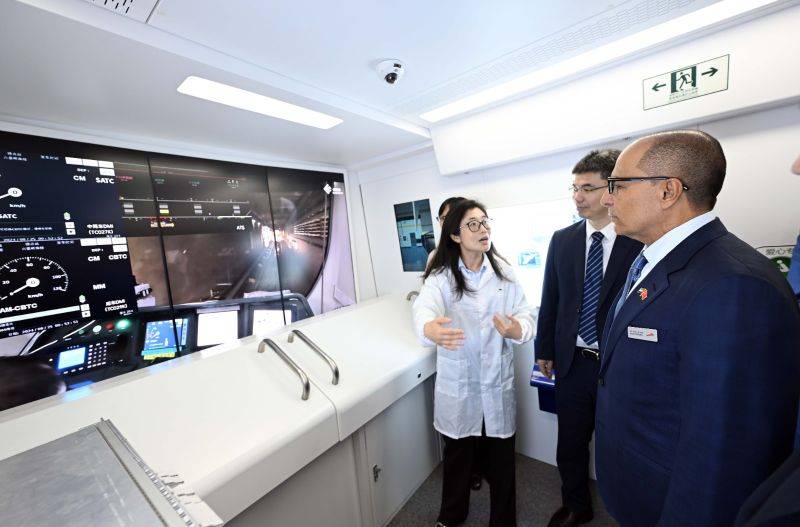
The delegation reviewed Shanghai’s integrated transport management and operations system, serving a city with more than 24 million residents. During a visit to the Command and Control Centre of the Shanghai Municipal Transportation Commission, the delegation examined coordination methods across multiple transport modes, including roads, metro, buses, taxis, airports, freight services and traffic management systems.
The delegation also visited the Shanghai Municipal Bureau of Planning and Natural Resources to learn about China’s approach to urban transport planning, including applications of the 15-minute city concept designed to improve accessibility and reduce dependence on private vehicles.
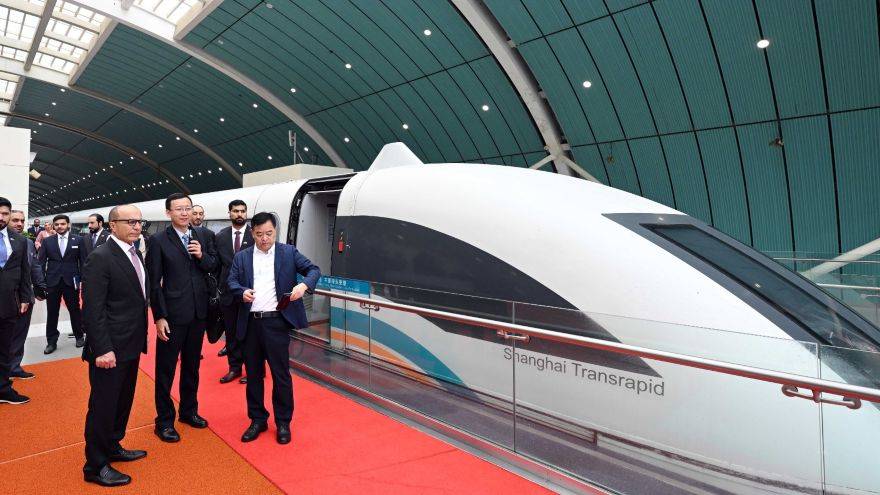
A visit to the Shanghai Maglev provided insights into one of the world’s fastest commercial train services. The delegation reviewed the technology, operational systems and efficiency measures used in managing the high-speed rail service.
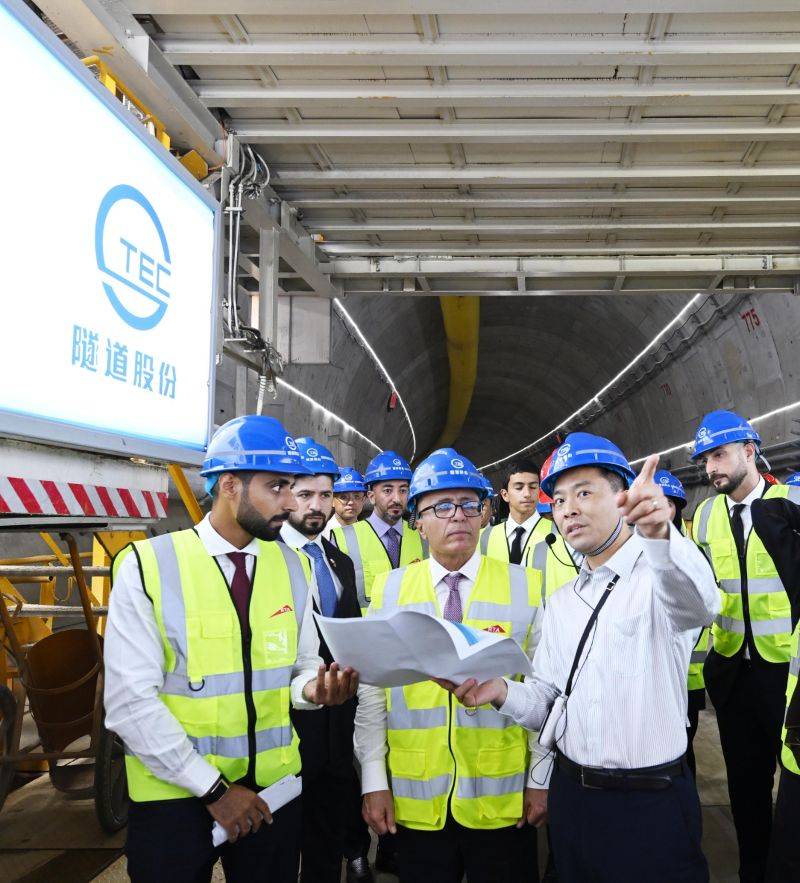
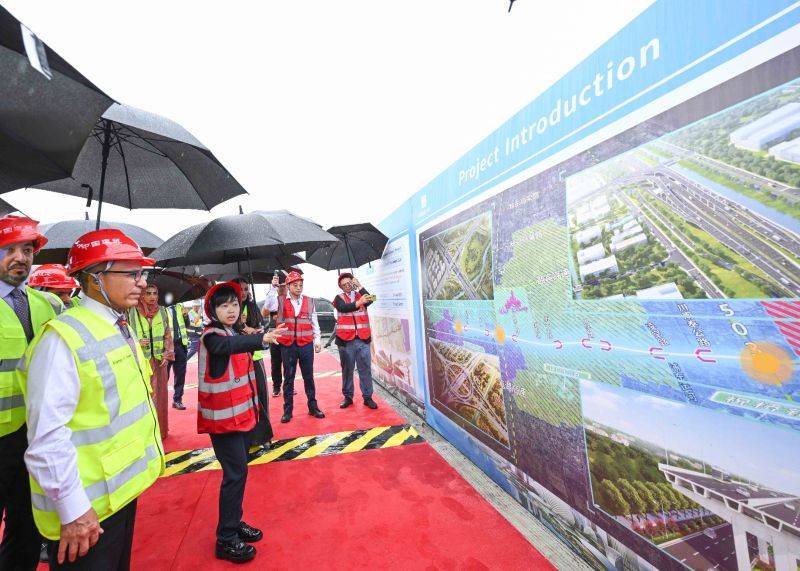
The programme also included visits to major road, bridge and tunnel projects, where RTA officials studied modern design and construction methodologies, as well as technologies used in developing large-scale infrastructure networks.
The delegation reviewed the Hongqiao Integrated Transport Hub, recognised as a major example of multimodal connectivity, to understand approaches used in linking different transport systems and developing surrounding urban areas.
Further visits to companies and institutions specialising in rail systems, autonomous driving and artificial intelligence allowed the delegation to explore advanced solutions in metro operations, predictive maintenance, smart control systems, autonomous vehicles and smart logistics.
The discussions and field studies form part of RTA’s ongoing efforts to explore global practices and strengthen partnerships that support Dubai’s future transport plans, technological advancement and smart mobility objectives.